How to Optimize for Zero Click Searches: A Guide
Search engines increasingly answer user questions before users visit websites. Featured snippets, AI Overviews, knowledge panels, People Also Ask boxes, local packs, and answer boxes offer fast results.
Optimizing for Zero-Click Searches
This shift can reduce direct organic visits, but it can also build brand exposure and trust. This guide, How to Optimize for Zero Click Searches, covers helpful content, structured data, answer engine optimization, and a clear organic search strategy.
My zero click optimization approach values visibility as much as visits in real-world use. I am Anatoly Zadorozhnyy, an SEO and digital marketing expert who has assisted businesses grow through organic search since 2008. I have assisted hundreds of companies, improved qualified organic visits, and helped businesses rank for thousands of first-page keywords.
I also supply affordable SEO services through Affordable SEO Expert. The following sections explain how to strengthen search visibility and measure results beyond clicks.
Understanding Zero-Click Searches And Why Do They Matter?
I define a zero-click search as a query that answers a user on the search results site, without requiring a website visit. The search engine can illustrate a definition, local result, price, date, or quick fact before the user decides whether to click.
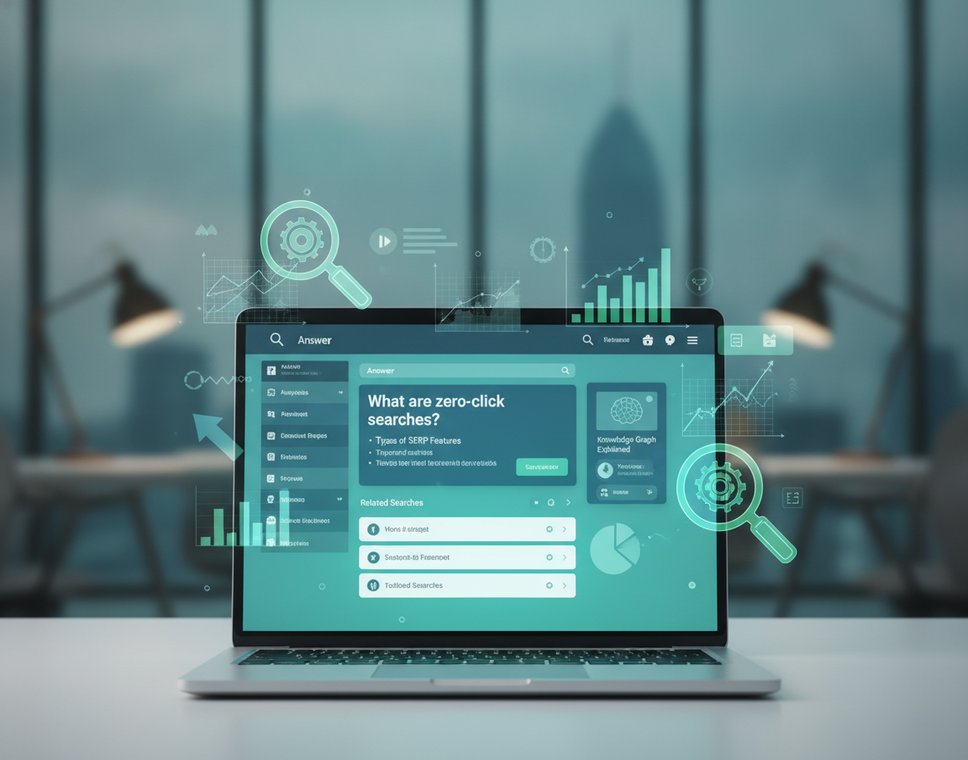 Optimizing for Zero-Click Searches
Search engines generate these experiences with AI Overviews, featured snippets, knowledge panels, People Also Ask boxes, local packs, image carousels, video carousels, and explanation boxes. These formats are SERP features. Each can help to reduce clicks while giving a brand a visible place in the search conversation.
Reported figures for 2026 place Google’s zero-click rate at 64.82% in practice. Mobile searches reached a indicated rate of 77.2%, compared with 50.6% on desktop. Mobile accounted for 63% of Google searches, while desktop represented 37% in real-world use.
Google handled a reported 8.5 billion searches each day. About 5.51 billion of those searches ended without a click in real-world use. The found click distribution included 27.6% for organic outcomes, 4.8% for paid results, and 2.78% for Google properties such as Maps, Images, and News.
Such figures change how I measure search visibility. A brand can appear in an explanation, earn recognition, and build trust without an immediate website visit. Its name, page copy, or business data may still influence the user’s next choice.
I treat zero-click optimization as a partner to traditional SEO, rather than a replacement in practice. Visibility can help to strengthen brand awareness and trust. Click-focused content still matters when people need deeper information, comparisons, product information, leads, sales, or other business outcomes.
How Zero-Click Search Is Changing SEO And User Behavior Explained
Search behavior is shifting from search, click, scan, and find toward receiving an response immediately. This change shows up across Google findings, voice assistants, and mobile searches. A webpage may gain visibility without a visit, altering how I assess strong organic performance.
How AI Overviews And SERP Features Reduce Organic Clicks: A Practical Guide
AI Overviews combine information from several sources and present a brief response near the top of Google in real-world use. They can cite a brand or source webpage without sending users to that website. Reported AI Overview triggers rose from 6.49% of queries in January 2025 to 13.14% in March 2025 in practice.
One dataset found AI Overviews on 8% of all Google queries and greater than 35% of informational queries. Featured snippets, local packs, maps, product panels, and explanation boxes produce similar pressure. In 2024, 58.5% of U.S. searches and 59.7% of European Union searches reportedly ended without a click in real-world use.
Why Surviving Clicks Can Be More Valuable Explained
Fewer clicks do not make every impression less valuable in real-world use. After an AI summary, a visitor may reach my website with a clear need and stronger interest. That visitor may read additional, join an email list, request a quote, or buy a product.
Search Console data can clarify this trend. One example showed impressions more than doubling from May 2024 to September 2025, while click-through rate fell from around 1.5% to below 0.5%. When AI Overviews appear, found average organic click-through rate drops by 18%.
Position one faces a sharp change in practice. Its found click-through rate falls from 31.7% without an AI Overview to 19.8% with one. Positions two through five see a reported 12% reduction. I treat strong rankings as a way to build trust, not a promise of traffic.
The Role Of Google RankBrain, Search Intent, And Voice Search
Google RankBrain assists interpret meaning, context, and likely user needs. Therefore, search intent optimization is central to written material planning. I focus on the reason behind a query, such as learning, comparing, finding a location, or taking action in many cases.
Voice search optimization helps this shift because spoken queries often sound like complete questions. Clear answers, natural wording, and concise definitions help content match those searches. Answer engine optimization extends this approach to AI tools and result features that provide answers without a webpage visit.
I generate content that earns recognition before the click. A helpful answer can appear in an overview, snippet, voice response, or branded result. The webpage still needs depth for people who want proof, detail, and a trusted next step.
How To Optimize For Zero Click Searches With Content And Schema
For How to Optimize for Zero Click Searches, I begin by reviewing Google Search Console, Semrush, and live search results. This review identifies queries that produce AI Overviews, featured snippets, explanation boxes, People Also Ask findings, knowledge panels, and local packs.
I prioritize commercial investigation, high-intent, local, and problem-identification queries in practice. These searches can connect effective visibility with measurable business value. Basic definitions and factual lookups might earn broad exposure, but they often attract fewer visits from ready-to-buy users.
Target Keywords That Trigger SERP Features Explained
I compare search intent with the result type displayed on the site. Definition queries have an 86% reported zero-click rate, while factual lookups reach 91%. Simple how-to queries approach 72%, and complex how-to queries reach approximately 53%.
Comparison queries illustrate a lower indicated rate of 48%. Searches containing “best” and a category sit near 44% in real-world use. Research and analysis queries reach approximately 38%. These figures help me balance exposure against the likelihood of earning a qualified visit.
I seek easy-to-follow questions, local modifiers, product comparisons, and problem-based searches. Each query requires an explanation that matches its intent. A site designed for a local pack should not resemble a broad research resource.
Structure Content For Featured Snippets And Answer Boxes Explained
For SEO for explanation boxes, I place a direct response near the page’s beginning. I work with plain language and keep the initial answer focused. A short paragraph can suit a definition, while a numbered list can clarify a process.
I apply descriptive headings, short paragraphs, tables, and bullet lists when they enhance clarity. These formats assist Google identify steps, comparisons, and important facts. They also assist people scan the webpage after a search result captures their attention.
For featured snippets, I explanation one clear question at a time. I define terms, explain limits, and assist claims with helpful details. I avoid burying the response beneath lengthy introductions or broad brand statements.
Apply Structured Data To Clarify Content
Structured data gives search systems additional context around a site. I work with FAQPage schema when a site contains several genuine questions with complete answers. I use HowTo schema when page copy presents a clear process with ordered steps.
For businesses serving a specific area, I use LocalBusiness schema with accurate details. These details might include the business name, address, phone number, hours, and service area. The visible page page copy must match the marked-up information.
Schema does not guarantee a rich result in real-world use. I treat it as a clear signal supporting useful content, accurate intent matching, and stronger SERP visibility.
Build Brand Authority For AI Search, Voice Search, And SERP Visibility
I build brand authority by making my company recognizable across trusted sources in many cases. Consistent business information, positive reviews, expert mentions, and standard backlinks help search systems connect my brand with its subject.
Original research gives that authority a stronger foundation in practice. I publish proprietary data, case studies, expert commentary, and straightforward frameworks that alternative writers can cite. Interviews, industry publications, and respected forums can reinforce this work.
These signals strengthen AI search and answer engine optimization. They help platforms judge whether a brand merits a direct answer or source citation. I keep facts, business profiles, and author details reliable across every major channel.
I treat voice search optimization as a trust task, not merely a technical task in real-world use. Clear language, strong reviews, and concise answers help assistants identify my business. This approach may strengthen SERP visibility when people ask spoken questions.
Reported studies link knowledge panel presence with a 91% improvement in brand recall in practice. They report 3.2 times higher brand search volume for entities with active panels in real-world use. Knowledge panels appeared for approximately 36% of entity queries, with an 82% zero-click rate when the panel answered the query.
Apply Content Optimization Strategies To Win More Zero-Click Opportunities Explained
I begin with the clearest explanation, then develop the subject. This strategy helps search engines identify the central point while giving readers immediate value. Strong page copy optimization strategies may increase visibility in featured snippets, AI Overviews, and other search features.
Create Content That Answers The Query Immediately
I place the direct response near the page’s beginning. For a simple request, I apply a brief definition or clear list. For a complex task, I state the primary answer first, then explain each step below.
This structure helps zero click optimization because users can help to find value without opening another page. I still supply context, examples, and next steps, giving readers a reason to continue.
Cover Unanswered Questions And Competitive Gaps
I review related searches, customer questions, and site comments to find page copy gaps. These gaps often expose specifics that competing pages overlook. I work with them to create stronger answers and address concerns before readers ask.
- Answer related questions in plain language in practice.
- Explain terms that new readers may not know.
- Include steps, limits, costs, or examples when they matter in real-world use.
This strategy strengthens search intent optimization by matching the reason behind a query. It can help to support a page reach broader searches while attracting qualified organic traffic from users with a clear need.
Choose Between Visibility Optimization And Click Optimization Explained
I choose the goal based on the search and the business need in real-world use. Visibility optimization suits definitions, quick facts, and branded answers in many cases. Click optimization fits detailed guides, comparisons, tools, and services that require more context.
For visibility, I apply concise answers, easy-to-follow headings, and structured lists. For clicks, I preview the utility without revealing every detail. A strong page can support both goals when its answer helps readers and its deeper guidance merits exploration.
Measure Zero-Click Optimization And Improve Organic Search Performance Explained
I measure zero click optimization by tracking where my page copy appears in search results. I review featured snippets, People Also Ask findings, explanation boxes, AI Overview citations, knowledge panels, and local pack listings. These signals reveal whether my brand stays visible when users do not visit my domain.
I also monitor voice search optimization through question coverage and explanation visibility. Key measures cover AI visibility score, brand mention frequency, brand sentiment, and share of voice across search and AI platforms. This approach exposes gaps and strengthens page copy that provides clear, direct answers.
Visibility alone is insufficient, so I connect search data to business outcomes. I track branded search volume, assisted conversions, qualified leads, conversion rate, revenue per click, and revenue from organic visitors in real-world use. These figures demonstrate which efforts improve organic search performance and attract valuable customers.
I review these outcomes regularly and compare them with past data. If visibility rises but leads remain flat, I refine the webpage or target stronger search intent. Businesses with limited resources can help to work with affordable SEO services to track these signals and build steady search growth.